All about
studying in Canada
Learn the basics of studying in Canada — from choosing a university to getting your study permit, planned out step by step.
 Book Consultation
Canada Student Pathway

Why Study in Canada?
Canada is home to over 600,000 international students, making it one of the top destinations for higher education worldwide. With a wide range of programs, prestigious universities, and world-class research facilities, studying in Canada prepares you for a global career — providing opportunities that extend far beyond the classroom.

Highest Number of Top-Ranked Universities
Canada is home to some of the world's most prestigious and renowned universities, including the University of Toronto, McGill University, and the University of British Columbia.

Strong Career Support
Canadian universities provide excellent career services, including internships, job fairs, and personalized guidance from professors and career advisors.

The World's Most Diverse Country
Studying in Canada offers the opportunity to interact with people from diverse cultural and academic backgrounds.

Innovative Education System
The Canadian education system emphasizes critical thinking, independent study, and research-led teaching.

Global Networking Opportunities
Studying in Canada helps you connect with international peers, faculty members, and professionals across various fields.

Financial Aid and Scholarships
Many Canadian universities offer scholarships, financial aid, and funding options for international students.
Types of Institutions
Public Universities
These universities are funded by the government and offer a wide range of undergraduate and postgraduate programs.
Private Universities
These universities are privately funded and often focus on specialized areas of study.
Colleges of Further Education
These institutions offer vocational training and higher education, usually offering foundation courses.
Specialist Institutions
These focus on specific areas of study, such as arts, design, and business.
Additional Benefits of Studying in Canada
Research Opportunities
Many Canadian universities are leaders in global research, providing opportunities to participate in groundbreaking projects.
Student Support Services
Canadian institutions offer a range of support services, including counseling, academic advising, and visa assistance for international students.
Work Opportunities
International students can work part-time during their studies and gain valuable work experience in Canada.
Campus Life
Canadian universities boast a vibrant campus life with numerous student societies, sports teams, and extracurricular activities.
Top Universities in Canada
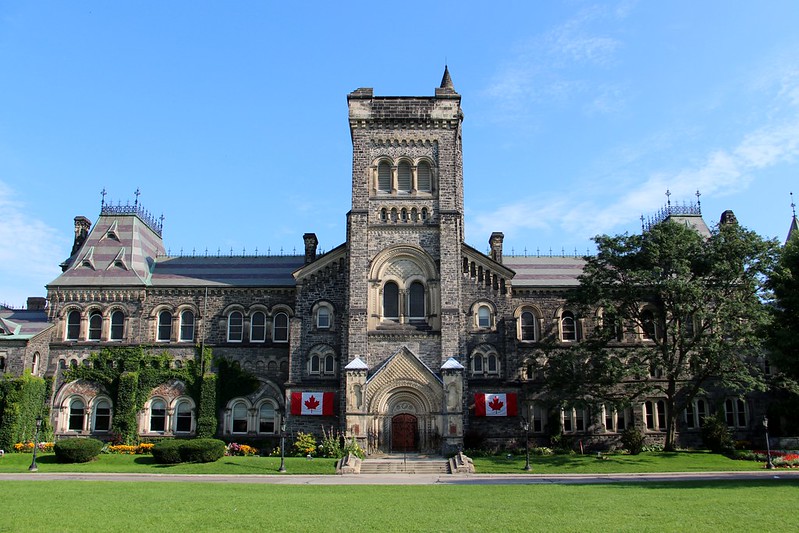 QS Rank: 25🏫
University of Toronto
 Toronto, Ontario
 QS Rank: 29🏫
McGill University
Montreal, Quebec QS Rank: 34🏫
University of British Columbia
Vancouver, British Columbia QS Rank: 111🏫
University of Alberta
Edmonton, Alberta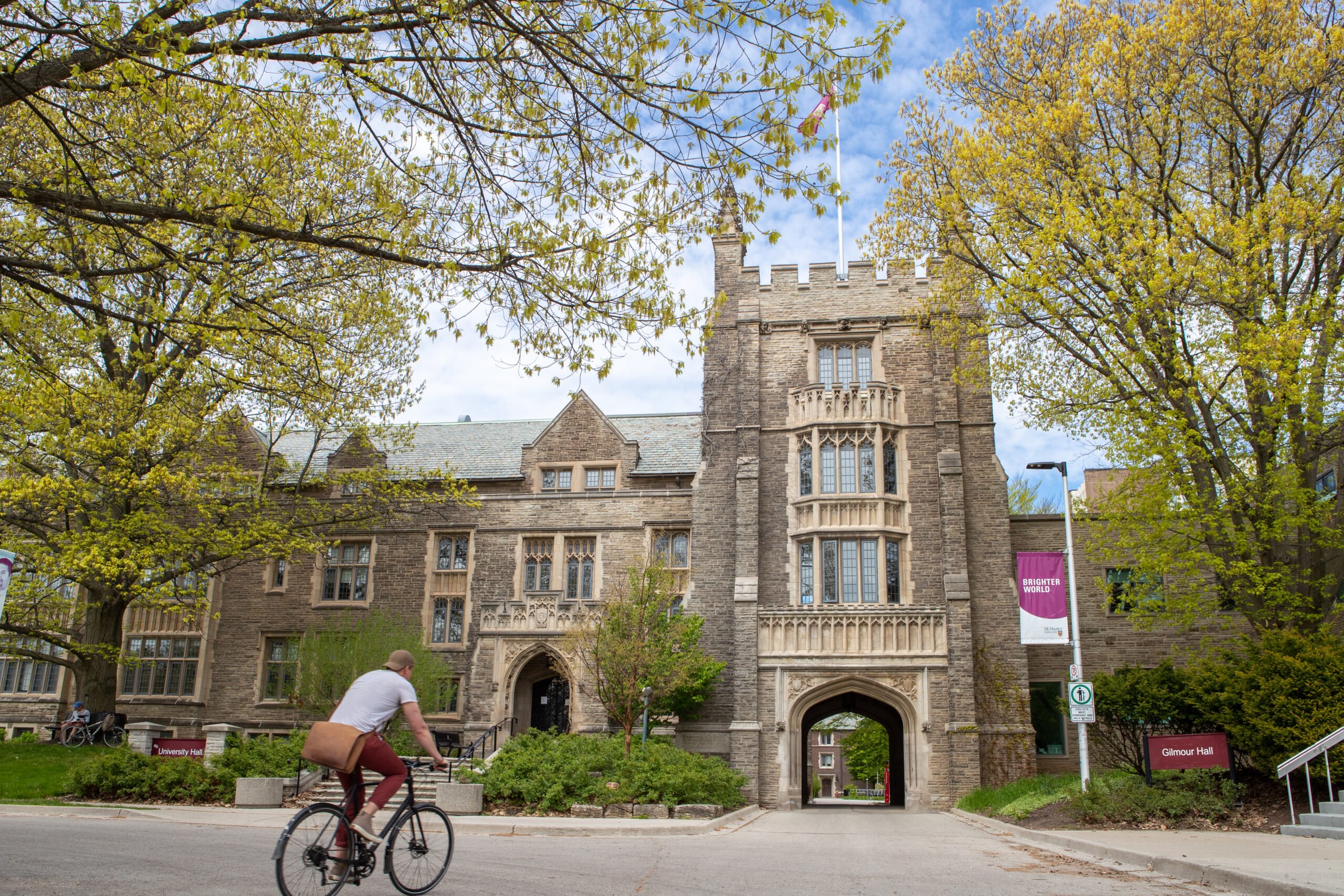 QS Rank: 189🏫
McMaster University
Hamilton, Ontario
QS Rank: 141🏫
University of Montreal
Montreal, Quebec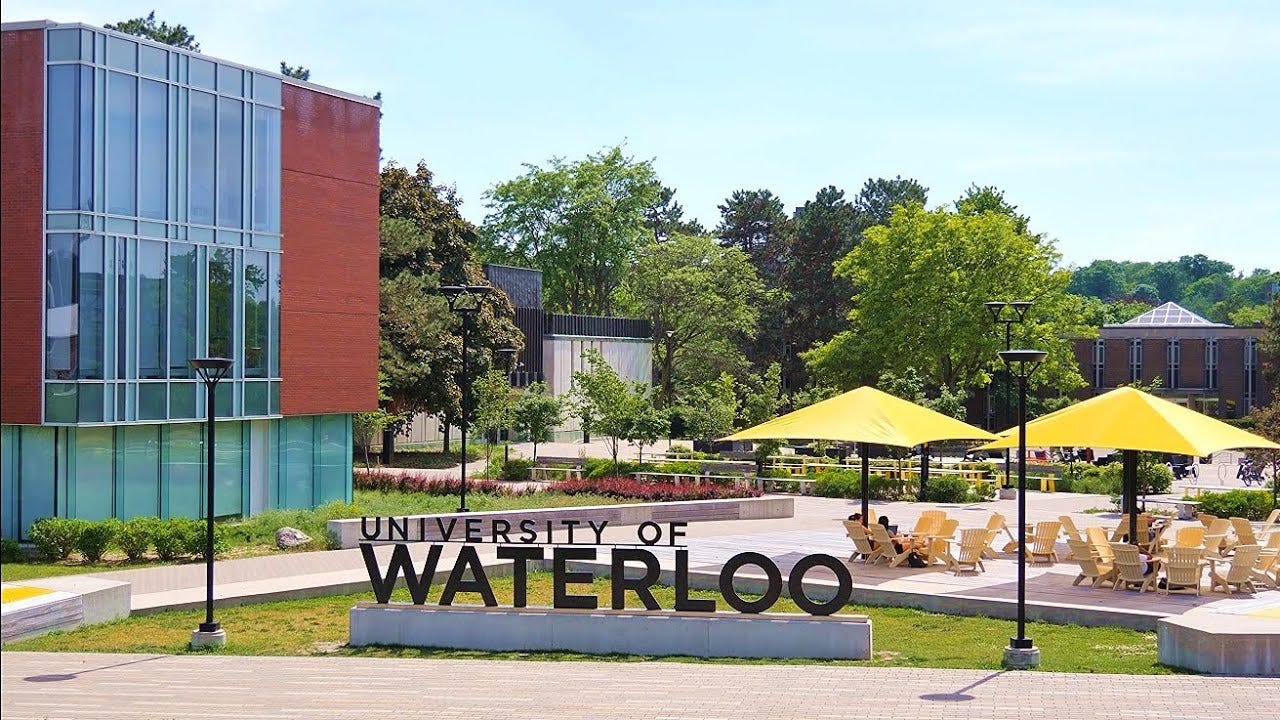 QS Rank: 112🏫
University of Waterloo
Waterloo, Ontario QS Rank: 203🏫
Western University
London, OntarioQS World Ranking is a global ranking of universities based on factors like academic reputation, research, and employer recognition.
Cost of Studying in Canada
The cost of studying in Canada for international students depends on several factors, including the institution, program of study, location, and available funding opportunities. Living expenses such as rent, utilities, and recreational activities also play a significant role in the overall cost.
| Category | Details | Cost Range (CAD) |
|---|---|---|
| Undergraduate Tuition | Public Universities / Arts, Social Sciences | 15,000 – 30,000 |
| Undergraduate Tuition | Public Universities / Engineering, STEM, Medicine | 25,000 – 55,000+ |
| Master's / Graduate Programs | Business, Humanities, Social Sciences | 17,000 – 45,000 |
| Master's / Graduate Programs | High-ranking schools, specialized fields | 30,000 – 65,000+ |
| MBA | Rotman, Ivey, Schulich | 50,000 – 130,000 |
| College / Vocational / Diploma Programs | Colleges or shorter-duration courses | 7,000 – 22,000 |
| Living Costs | Accommodation + Food + Miscellaneous | 15,000 – 20,000 |
Studying in Canada: Admission Guide
Pursuing education in Canada is a popular choice among international students. Here's an overview of the key requirements and steps to help you get started.
Academic Qualifications
Completion of secondary education (high school diploma or equivalent).
A bachelor's degree or its equivalent from an accredited institution.
Standardized Tests
Some programs may require A-levels, IB, or SAT scores, depending on the institution.
Some programs may require GRE or GMAT scores, depending on the course.
English Proficiency
TOEFL or IELTS scores to demonstrate language skills, with minimum requirements varying by institution.
Application Materials
- Academic transcripts
- Letters of recommendation (usually 1-2)
- Statement of purpose or personal statement
- Resume or CV
Financial Documentation
Proof of funds to cover tuition and living expenses (often required for visa applications).
Application Fee
Non-refundable fees ranging from CAD 30 to CAD 150, depending on the institution.
Available Courses to Study
Canada is renowned worldwide for its prestigious educational institutions and high academic standards. Degrees earned in Canada carry a strong global reputation, and the diverse student population adds to the richness of the academic experience.

Computer Science
Dive into the cutting-edge of data science, software development and ML. Uncover how algorithms are transforming everyday life.
Learn More →
Technology
Study cutting-edge technology and its applications across industries, from AI-driven healthcare solutions to blockchain in finance.
Learn More →
Engineering
Learn the principles of engineering and explore various fields such as mechanical, civil, and electrical engineering.
Learn More →
Data Science
Study the techniques for analyzing large datasets and deriving actionable insights using statistical and computational methods.
Learn More →
Accounting
Learn financial management and accounting principles to excel in the business world.
Learn More →
Finance
Study financial markets, investment strategies, and corporate finance management.
Learn More →
Marketing
Learn the principles of marketing, consumer behavior, and strategic marketing techniques.
Learn More →
Management
Study the principles of management and how to effectively lead teams and organizations.
Learn More →Documents required to study in Canada
When applying for a course in Canada as an international student, you typically need several documents to complete the application process.
The documents may vary depending on the institution and the specific program, but some common ones include:
- ✓ Application Form
- ✓ Application Fees
- ✓ Statement of Purpose / Essays
- ✓ Resume
- ✓ Recommendation Letters
- ✓ Academic Transcripts
- ✓ Marksheets & Certificates
- ✓ Bank Certificate
- ✓ Declaration Certificate of Finance
- ✓ Test Score Report
- ✓ Passport
Book your Free Consultation
Talk to a trustworthy counsellor about your shortlist, budget, and timeline.
Visa Requirement
To study in Canada, international students generally require a Study Permit. Here's what you need to know before applying.
International students planning to study in Canada typically need a Study Permit. To be eligible, you must first receive admission from a Designated Learning Institution (DLI) recognized by the Canadian government.
Before you apply, you should:
- ✓ Receive a Letter of Acceptance (LOA) from a Designated Learning Institution (DLI).
- ✓ Complete the online Study Permit application.
- ✓ Prepare proof of sufficient funds for tuition, living expenses, and return travel.
- ✓ Book and complete your biometrics appointment (if required).
- ✓ Complete a medical examination if requested by Immigration, Refugees and Citizenship Canada (IRCC).
Required documents for your study permit application:
- ✓ Valid Passport
- ✓ Letter of Acceptance (LOA)
- ✓ Completed Study Permit Application
- ✓ Proof of Financial Support
- ✓ Biometrics Confirmation (if applicable)
- ✓ Medical examination results (if required)
CAD $150 Study Permit Application Fee
LOA Letter of Acceptance Required
Scholarship Opportunities for International Students
Studying in Canada can be expensive, but there are numerous scholarships available to help international students achieve their academic goals.



University-Specific Scholarships
Provided directly by universities to attract talented international students.
Learn More →
Government-Funded Scholarships
Programs like Vanier CGS or Fulbright Canada are designed for international students.
Learn More →
Private Organization Scholarships
Sponsored by companies, NGOs, or charitable organizations.
Learn More →